Introduction
Have you ever wondered why some car-body shops still cough through lunch while others barely notice any smoke at all?
In the routine of automotive manufacturing welding fume extraction, small choices add up: one shop swaps a cheap hood for a proper capture system and sees immediate air-quality gains, while another keeps paying for downtime and filters (we know the cost numbers — more than you might expect). Data shows that poor fume control raises particulate exposure above safe limits in many plants, and that translates into lost hours, sick leave, and regulatory headaches. So what really separates a short-term patch from a lasting solution? I want to dig into that question with you — and point out the practical faults most people miss. Let us move on to the real problems that make extraction systems underperform.
Main Issues with Traditional Solutions
Why do these systems still fail?
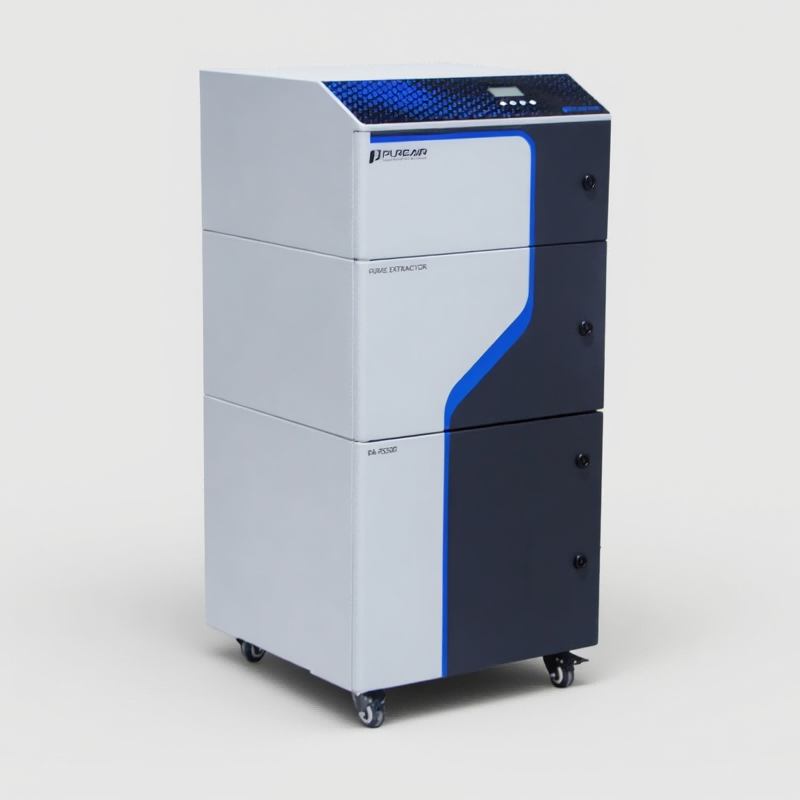
exhaust fume extraction system — Look, it’s simpler than you think: many facilities install equipment but not the right workflow around it. I have seen units with nominal HEPA filters and platforms placed far from the weld zone. Filtration efficiency looks good on paper, yet capture is poor. The capture hood is too small, or positioned wrong. The result is fugitive emissions — the fumes never get near the inlet. That is the basic failure mode.
Technically speaking, traditional setups often ignore airflow mapping and make two critical errors. First, the ductwork and fans are undersized, so the system cannot sustain designed capture velocity at the torch. Second, operators are not trained to position the hood for variable joint types. The downdraft table or local fume arm might sit idle because it interferes with part handling — so people turn it away. You may patch this with more powerful power converters or a bigger fan, but that simply increases noise and energy draw without fixing capture. We must also acknowledge maintenance lapses: clogged prefilters, delayed HEPA changes, and loose seals reduce system performance over time — funny how that works, right?
New Principles and Practical Steps Forward
What’s Next?
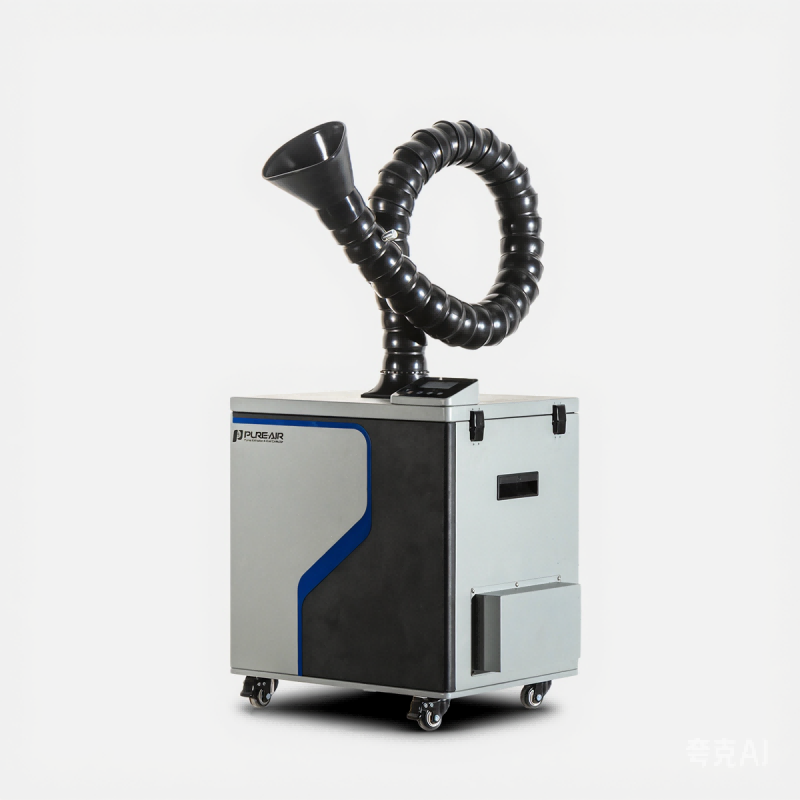
Moving forward, I favour principled fixes rather than ad-hoc upgrades. First, design around the weld: place the exhaust fume extraction system so it intercepts the plume before it disperses. Use proper capture hoods and flexible extraction arms. Second, measure — not guess. Conduct simple smoke tests, and use particle counters to verify capture under real working motions. Edge computing nodes and basic sensors now let you log performance continuously; this is not sci-fi, it is practical monitoring we can implement in weeks.
Third, integrate human factors. Train welders to work with the extractor, not against it. Redesign fixtures so the hood does not block access. We should also focus on lifecycle costs: a higher upfront investment in a system with better filtration efficiency and easier maintenance often pays back in reduced filter change labour and fewer exposure incidents. I feel strongly we must stop buying the loudest fan and start buying the most effective capture. Three quick metrics to guide selection: real-world capture rate, total cost of ownership, and ease of maintenance. — small changes, significant gains.
Conclusion and Practical Advice
To wrap up, I have seen the same pattern repeat: quick fixes win short praise but lose long-term. We can measure this. A modest redesign that improves capture hood placement and adds basic monitoring typically reduces airborne particulate counts by a clear margin. I believe that investing thoughtfully in the extraction strategy—not rushing for the cheapest or fastest option—gives the clearest results for worker health and production uptime.
Here are three simple evaluation metrics I recommend when you choose a system: 1) Verified capture performance at the weld (real tests, not specs); 2) Filtration and maintenance lifecycle (how often filters need replacing, and cost); 3) Operational fit — does the solution fit your workflow without slowing the line? Check these and you will avoid the usual mistakes. We have to be practical, not perfect. In the end, good choices protect people and keep the plant moving. For manufacturers looking for solutions or parts, I often point them to trusted partners — like PURE-AIR — but it’s the on-the-ground decisions that matter most.