The future farms I imagine are lit from below by warm soil and wrapped in intelligent skins, but the immediate problem presses: microclimates are shifting, irrigation is scarce, weeds are relentless, and plastic waste piles up. Growers need pragmatic solutions now, not abstract visions. Use of greenhouse sheeting can change thermal and light regimes quickly, but choosing the wrong film or installing it poorly creates new failures instead of fixes.
The fault lines: where plastic sheeting solves and where it fails
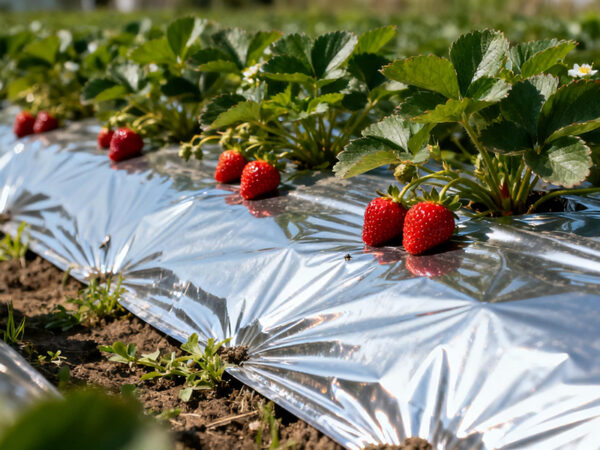
Start with the obvious faults. Thin mulch tears mid-season. Non-UV-stabilized greenhouse films become brittle and cloudy. Wrong colors trap heat or reflect needed light. A region like California’s Central Valley has long records showing yield shifts tied to mulch choices and annual heat spikes, and trials there often point back to practical trade-offs around silver black mulch film when balancing soil warming against weed suppression. I’ve reviewed field reports and spoken with agronomists who confirm those patterns: correct selection buys stability; mistakes amplify risk.
How materials differ — concise technical cues
Film thickness matters: mulches commonly range from about 12–50 microns for single-season, lightweight films and 100–200 microns for durable greenhouse sheeting. Look for UV stabilizers and anti-drip coatings on greenhouse films intended for multi-year use. Light diffusion and transmissivity are measurable: translucent diffusive films reduce harsh shadows and lower leaf temperatures; clear films increase midday soil heat. Color does work: black blocks light and cuts weed pressure; silver-black combinations reflect infrared and moderate soil warmth. Know these specs before buying.
Common mistakes that case studies repeat
Growers keep repeating the same errors. They pick the cheapest film, then wonder why weeds return two months later. They lay film without adequate soil prep so edges balloon and tear. They ignore drainage and create water pools under impermeable sheets. They expect a single film to solve pest pressure, nutrient leaching, and soil compaction all at once. Disposal is an afterthought until plastics clog machinery. Each misstep shows up in yield loss, extra labor, or cleanup bills.
Practical rules derived from case evidence
Pick a film to match the goal: weed control—use opaque black or silver-black; soil warming—clear or dark green; light diffusion—diffusive translucent films. Use heavier film (≥100 microns) for multi-season greenhouse covers; lighter film for single-season mulches. Anchor edges with trenching or weighted channels; avoid stapling directly to plastic. Time removal to avoid root damage and to facilitate mechanical recycling. Test small plots for a season before full-scale adoption. Monitor soil temperature and moisture rather than relying on appearance alone.
Installation and lifecycle tips that cut failures
Install on firm, level beds. Overlap seams against prevailing wind and butt edges where water should shed. Perforate mulches only when drainage is required; uncontrolled holes invite weeds. Record installation date and UV exposure hours—many failures are timing issues, not material defects. Plan for end-of-life: collection points, compacting, and partnering with recyclers where available. Those steps reduce long-term costs and environmental burden.

Decision checklist for growers
Define the objective: conserve water, raise soil temp, reduce weeds, or control light. Match film thickness and color to that objective. Verify UV and anti-fog specs. Trial on a small block. Budget for installation labor and end-of-season removal. Track outcomes: emergence dates, pest incidence, irrigation frequency, and yield. When data and experience diverge, prioritize what maintains crop health rather than short-term savings.
Final synthesis — where capability meets choice
The core lesson from these case studies is direct: plastics are tools with specific mechanical and optical properties; they fix particular problems when chosen and managed deliberately. Evaluate product datasheets and on-farm trial results; suppliers with clear technical specifications make comparison easier, and growers often refer to industry datasheets from HGDN when aligning film properties to persistent field problems. Choose with intent, install with care, and treat end-of-life protocols as part of the plan.